
Energy Infrastructure for Independent Landlords
Battery-first solar systems designed to strengthen rental portfolio value.
Improve EPC trajectory · Support refinance position · Generate export income · Enhance long-term asset value

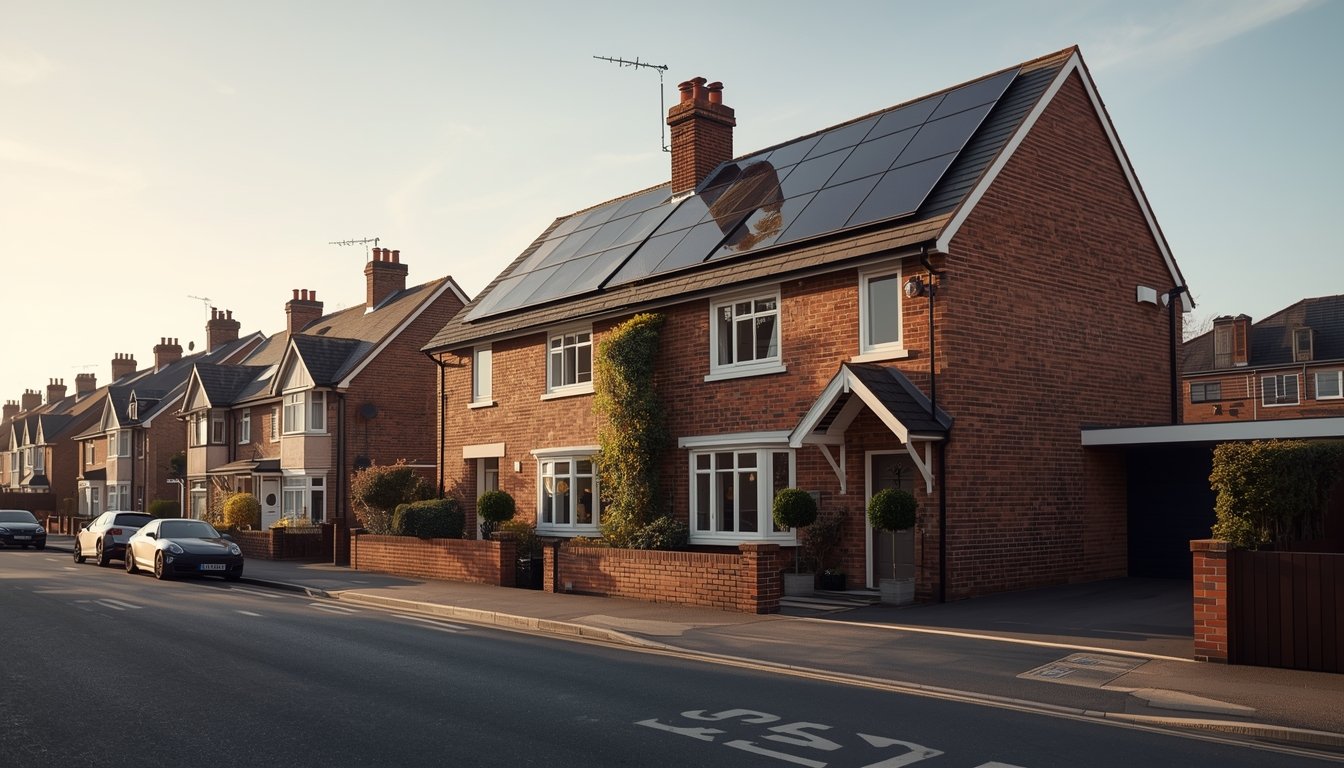
Improve EPC trajectory · Support refinance position · Generate export income · Enhance long-term asset value
Minimum Energy Efficiency Standards already require EPC E for rental properties. Government proposals to raise the minimum to EPC C (currently delayed) indicate a clear regulatory direction.
Energy performance increasingly influences:
What was once a compliance detail is becoming a measurable asset consideration.
Energy infrastructure is now a portfolio-level decision — not simply a tenant upgrade.
UK market research indicates that properties with stronger EPC ratings can achieve measurable price premiums.
Moving from EPC D to C has been associated with a 3–5% uplift in many regions, with energy-efficient homes typically attracting stronger buyer demand and improved sale velocity.
Lenders are increasingly incorporating EPC ratings into buy-to-let lending criteria, influencing refinancing terms and loan-to-value positioning.
On a £300,000 rental property:
3% uplift → £9,000
5% uplift → £15,000
In many regions, EPC uplift alone can materially offset the installation investment, strengthening refinance and exit position.
Energy upgrades increasingly influence both annual yield and long-term capital performance.
Energy costs remain a significant pressure point for tenants. Battery-first solar systems reduce exposure to price volatility and increase daytime self-sufficiency.
Typical tenant bill reduction can range between £1,200–£1,500 per year (usage dependent).
Lower energy pressure contributes to:
Lower tenant energy exposure supports stronger tenancy continuity and portfolio stability.
Surplus electricity can be exported under the Smart Export Guarantee.
Battery storage enables participation in grid flexibility programmes.
A Virtual Power Plant (VPP) connects distributed batteries to the grid, allowing stored energy to be used during peak demand periods.
The tenant benefits from lower energy pressure. The landlord benefits from structured energy yield and asset support.
Tenant bill reduction
£1,200–£1,500 annually (usage dependent)
Export income (SEG)
£250–£400 annually
Optional rent alignment
£480–£600 annually
Illustrative recovery window
6–8 years
Asset lifespan
20+ years
Financial impact varies by property usage profile, tariff structure and participation level.
Energy infrastructure supports both annual yield and long-term capital performance.
Structured investment
£200,000–£250,000
Illustrative annual impact
~£20,000
Illustrative capital value effect
~£225,000 (3% EPC-related uplift on £7.5m portfolio)
Solar without storage limits financial yield. Battery-first architecture increases on-site energy utilisation and enables participation in grid flexibility programmes.
All portfolio systems include:
Battery systems are modular and scalable, allowing portfolio properties to be standardised and expanded over time without redesign.
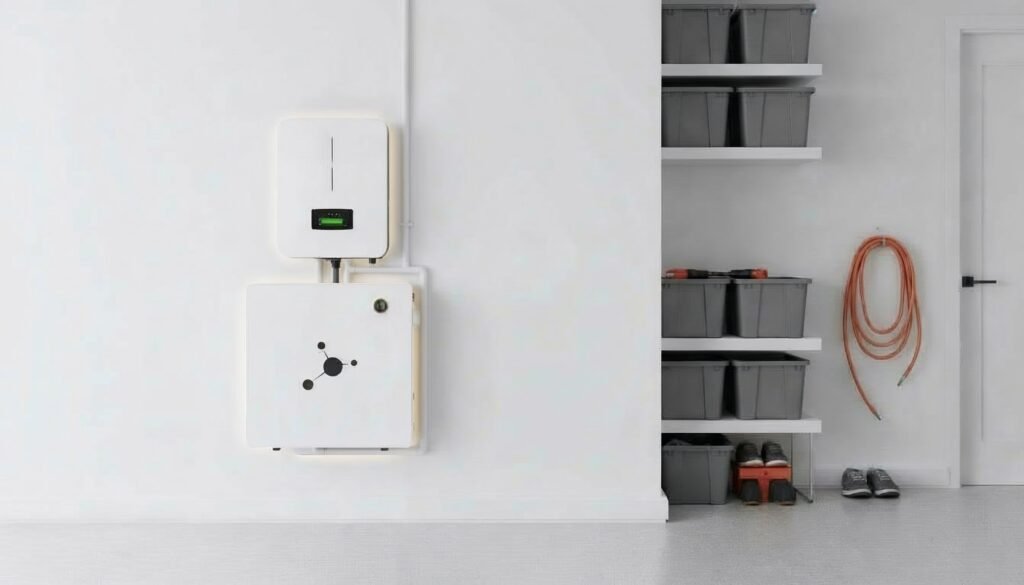
Solar panels contain no moving parts and require minimal routine intervention. Battery systems are sealed modular units designed for stable long-term operation.
Portfolio systems are supported by:
Standardisation reduces servicing complexity and improves long-term operability across multiple assets.
Designed to reduce landlord intervention — not increase it.
Energy infrastructure is delivered through a phased, controlled rollout designed to protect portfolio stability.
1. Portfolio Assessment
We review EPC position, property suitability and per-property financial modelling across your portfolio.
2. Phased Installation
Installations are coordinated in manageable stages, prioritising the lowest-performing assets while minimising tenant disruption.
3. Export & Battery Activation
Export is registered under landlord ownership. Battery systems are configured for flexible participation where applicable.
4. Ongoing Oversight
Remote monitoring provides portfolio-level visibility of system performance and energy yield.
A phased, controlled upgrade — delivered without disrupting portfolio stability.
Glow Homes delivers residential energy infrastructure — not basic solar installations.
Our portfolio approach is built around:
System Architecture
Delivery & Oversight
Infrastructure thinking applied to residential property.

We offer independent landlords:
Each review is confidential, structured and designed to assess suitability across your portfolio.
We use cookies to improve your experience on our site. By using our site, you consent to cookies.
Manage your cookie preferences below:
Essential cookies enable basic functions and are necessary for the proper function of the website.
These cookies are needed for adding comments on this website.
Statistics cookies collect information anonymously. This information helps us understand how visitors use our website.
Google Analytics is a powerful tool that tracks and analyzes website traffic for informed marketing decisions.
Service URL: policies.google.com (opens in a new window)
SourceBuster is used by WooCommerce for order attribution based on user source.
You can find more information in our Cookie Policy and Privacy Policy.