

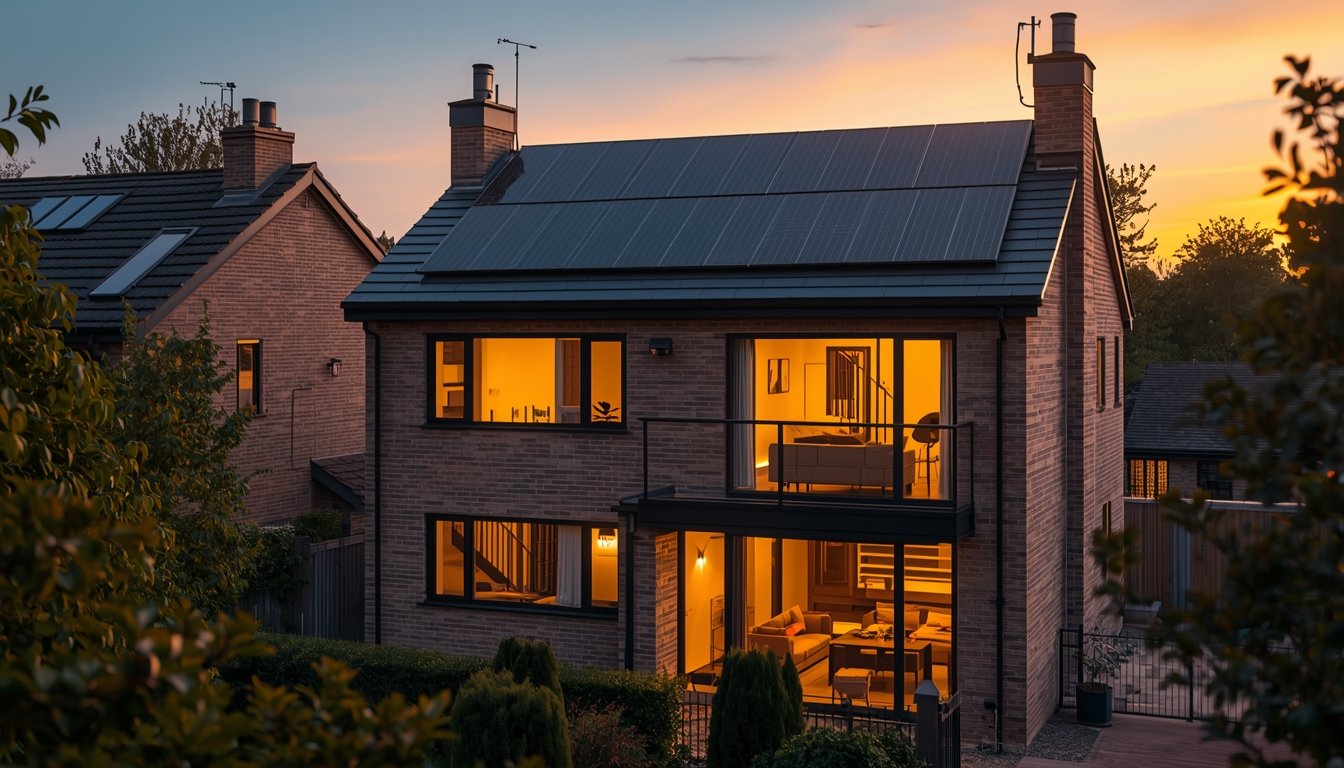

Many homeowners focus heavily on the installation of a solar and battery system. Panels go on the roof, batteries are installed, and the system begins generating electricity.
But installation is only the beginning of a system’s lifecycle.
A properly designed home energy system should operate quietly for decades. Like any long-term infrastructure in a home, its performance over time depends on good design, careful installation, and sensible oversight during the early years of ownership.
Understanding what happens after installation helps homeowners feel confident that their system will continue to perform as expected long into the future.
Do Solar Systems Require Ongoing Maintenance?
In most homes, solar systems require very little maintenance.
Modern solar panels are designed to withstand harsh weather conditions and typically operate reliably for many years. Rainfall often keeps panels sufficiently clean for normal performance, and most systems continue operating without any direct intervention from the homeowner.
Battery systems and inverters are also designed for long service life, with built-in monitoring that tracks system performance automatically.
However, like any electrical system connected to a home, it is still sensible for installations to be observed during their early years of operation.
The Early Years Matter Most
Most installation-related issues, if they occur at all, appear within the first couple of years after a system is installed.
These might include:
- small installation adjustments
- connection issues
- monitoring configuration problems
- environmental factors such as debris or shading changes
None of these issues are common, but when they do occur, they are usually easiest to resolve early.
This is why responsible system providers pay particular attention to the early ownership period.
The Role of Monitoring
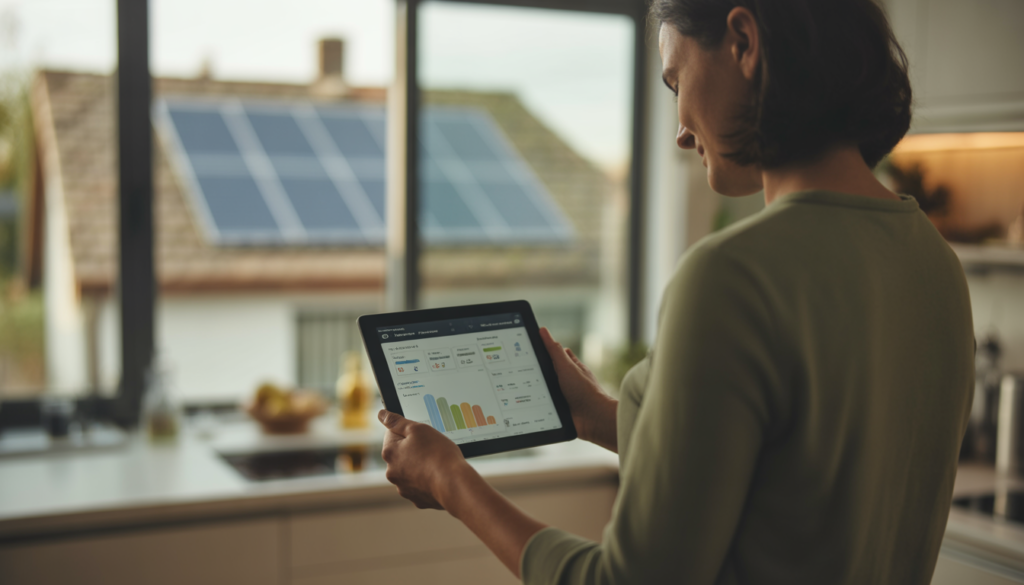
Modern energy systems include monitoring that allows system behaviour to be observed over time.
Monitoring platforms track information such as:
- solar generation
- battery charging and discharge
- system status
- export to the grid
This data allows both homeowners and system providers to see how the system behaves in real-world conditions.
In many cases, monitoring can identify small issues before they become noticeable to the homeowner.
Seasonal Performance Changes
Solar systems behave differently throughout the year.
During spring and summer, longer daylight hours and stronger sunlight mean higher generation levels. During autumn and winter, production naturally decreases.
Battery usage can also change depending on household energy patterns and seasonal demand.
Understanding these seasonal variations helps homeowners interpret their system’s behaviour correctly.
When Maintenance May Be Helpful
Although most solar systems operate without intervention, occasional maintenance may sometimes be useful.
Examples include:
- panel cleaning if dust, pollen, or debris builds up
- checking that roof areas remain clear of shading from new vegetation
- ensuring monitoring connections remain active
Many homeowners choose to leave any roof-level work to professionals, such as window cleaning companies that already use telescopic equipment designed for working safely at height.
How Glow Approaches Long-Term System Ownership
At Glow, we believe installation is the beginning of ownership, not the end of the relationship.
Every Glow system enters what we call Glow Care, our approach to long-term system stewardship.
Glow Care combines several simple principles:
- quiet monitoring of system performance
- early ownership check-ins to ensure installations continue to perform as intended
- occasional guidance to help homeowners get the most from their system
- advice or recommendations if maintenance is ever required
The goal is not to create complicated servicing programmes, but simply to ensure homeowners have confidence that their energy system continues to operate safely and reliably over time.
Energy Systems as Long-Term Infrastructure
Home energy systems are increasingly becoming part of a home’s permanent infrastructure.
Just as heating systems, wiring, and plumbing quietly support everyday life, solar and storage systems are designed to operate in the background while reducing energy costs and improving energy independence.
With sensible design and calm oversight during the early years, these systems can continue delivering benefits for decades.
Installation may be the moment the system starts working, but the real value comes from how it performs over time.