

There’s a pattern forming in the UK energy market.
Prices rise.
They settle—briefly.
Then they rise again.
Not dramatically every time.
But consistently enough to change how homeowners are starting to think.
The Direction of Travel Is Clear
The UK energy market continues to operate under the price cap mechanism set by Ofgem, which adjusts regularly in response to wholesale energy costs.
Current forecasts point to another increase in household bills, potentially adding close to £200 annually for a typical home, reinforcing a broader pattern rather than a one-off change, and highlighting how exposed most households remain to external pricing decisions.
This isn’t about one price rise.
It’s about what repeated price rises actually mean over time.
Energy Has Quietly Changed
For a long time, energy sat in the background.
A monthly cost.
An occasional frustration.
Something you paid for, but didn’t really think about.
That model no longer holds.
Homes are using more electricity than ever—EVs, home working, and electrified heating. At the same time, the cost of energy is becoming more variable, more complex, and less predictable.
Which leads to a simple shift:
Energy is no longer just something you buy.
It’s becoming something your home needs to handle properly.
The Compounding Effect Most People Miss
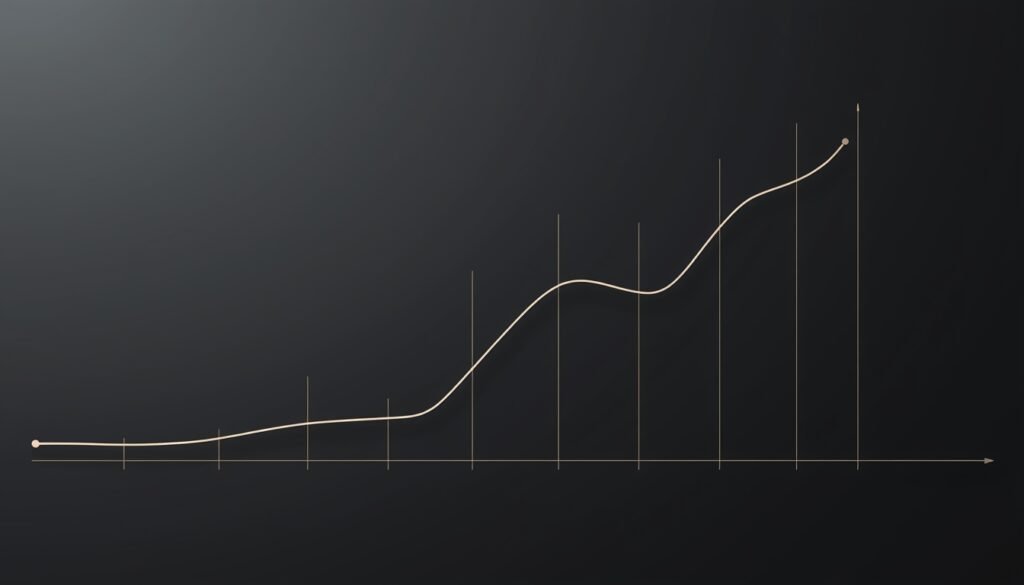
A £150–£200 increase on its own doesn’t always trigger action.
But that’s not the real number.
The real impact is cumulative:
- Repeated annual increases
- Long-term exposure to external pricing
- Growing dependence on when energy is cheapest
Over time, that compounds quietly in the background.
And unlike a one-off cost, it doesn’t reset.
Two Positions: Exposure or Ownership
Most homeowners today sit in one of two positions.
Exposure
- Fully reliant on the grid
- Subject to price changes
- Limited control over usage timing
- Forced into reactive decisions
Ownership
- Generating energy on-site
- Storing energy for when it’s needed
- Reducing reliance on external supply
- Designed for long-term stability
The difference isn’t just financial.
It’s structural.
A Better Starting Point
Most solar conversations still begin in the wrong place:
Panels.
Output.
Payback.
That’s not where the real value sits.
The better starting point is the home itself:
- How energy is used today
- How that usage is likely to evolve
- When energy is needed—not just how much
From there, a system can be designed properly, including generation, storage, and control, so everything works together as one.
That’s the difference between installing something…
and building something that actually lasts.
Glow Homes was built around that principle, treating energy as long-term infrastructure, not a short-term purchase.
A Founder’s Perspective
“The biggest shift we’re seeing isn’t just rising prices, it’s homeowners starting to realise that energy isn’t a utility problem anymore.
It’s a home infrastructure decision.Once you see it that way, the question changes completely—from ‘how much am I paying?’ to ‘how much control do I actually have?’”
— Jon Skinner – CEO & Founder, Glow Homes
Why Timing Is Quietly Changing
There’s a point where something moves from being optional… to becoming sensible.
Energy in UK homes is approaching that point.
Not because of urgency.
Not because of headlines.
But because of the direction.
Each price rise reduces the gap between:
- Continuing to rely entirely on the grid
and - Designing your own energy system
And once that gap closes, the decision becomes less about timing…
…and more about control.
The Shift Toward Energy Ownership
More homeowners are starting to recognise a simple reality:
- Energy prices may fluctuate, but the long-term trend is upward
- Electrification is increasing demand, not reducing it
- The grid will remain part of the system—but not the whole system
Which leads to a different kind of question:
Do you continue to adapt to the system…
Or start designing your own?
Final Thought
Energy used to be something you paid for.
Now, it’s something your home can manage.
Rising prices don’t create that shift.
They just make it harder to ignore.