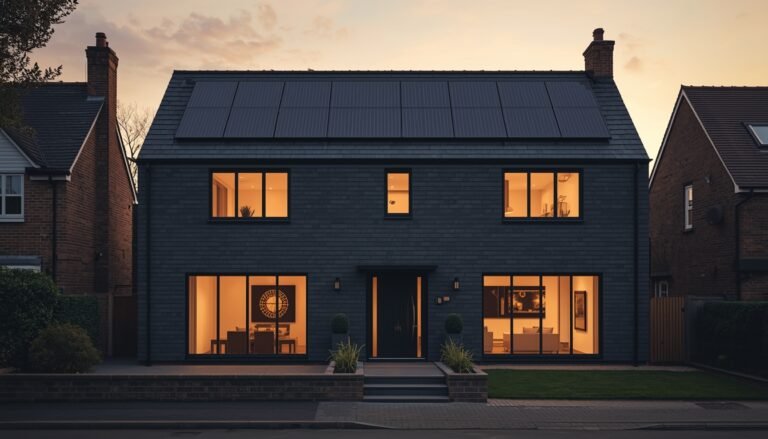

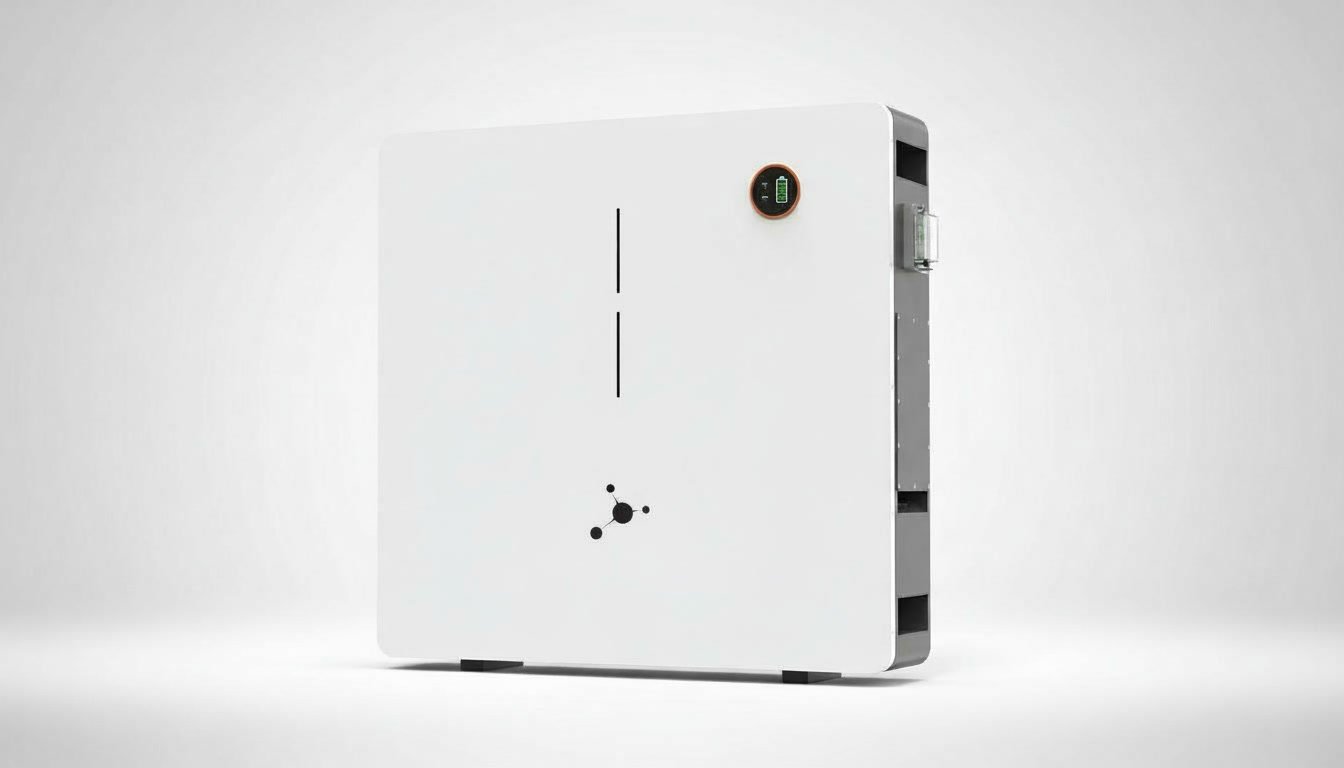

Battery storage is often described as an add-on to solar panels.
In reality, it’s one of the most important parts of a modern home energy system.
Solar panels generate electricity.
Battery storage determines how and when your home actually uses it.
Without storage, solar systems produce electricity during the day and export the excess to the grid.
With storage, your home can capture, store and use its own energy when it actually needs it.
That shift turns solar from simple generation into a complete home energy system.
Yet battery storage remains one of the most misunderstood parts of residential energy.
Why Energy Storage Is Becoming Essential
Homes are becoming increasingly electric.
Across the UK, households are moving toward technologies such as:
• Electric vehicles
• Heat pumps
• Induction cooking
• Home offices and connected devices
• Smart home systems
Electricity demand is rising, while grid prices remain volatile.
Solar generation helps reduce reliance on the grid, but it doesn’t solve the timing problem.
Solar panels produce most electricity during the middle of the day.
Homes typically use the most electricity in the morning and evening.
Battery storage bridges that gap by capturing daytime solar energy and making it available later.
What a Home Battery Actually Does
A home battery stores electricity so it can be used later.
During the day, solar panels often generate more electricity than the home needs. Instead of exporting that energy, the battery stores it.
Later, when solar production drops, the home draws energy from the battery instead of the grid.
This allows the home to:
• Use far more of its own solar energy
• Reduce reliance on grid electricity
• Increase energy resilience
• Manage electricity usage more intelligently
Storage turns solar from a daytime generator into a 24-hour energy system.
Solar Without Storage vs Solar With Storage
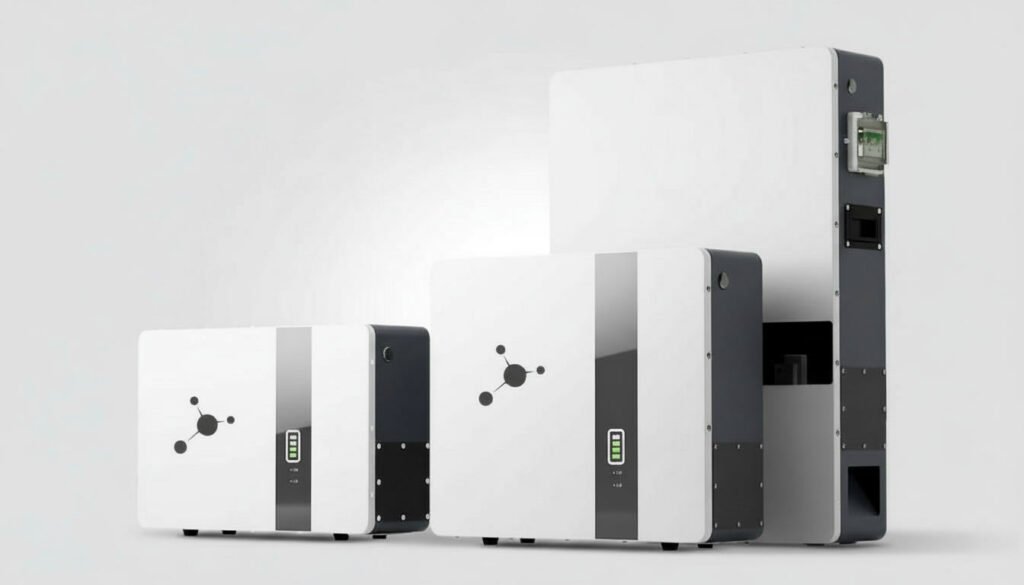
Two homes can have identical solar panels but behave very differently depending on whether storage is included.
Solar without storage
• Solar powers the home during the day
• Surplus electricity is exported
• The home buys electricity again in the evening
• Typical self-consumption: 30–40%
Solar with storage
• Solar powers the home during the day
• Surplus energy is stored
• Evening electricity comes from the battery
• Typical self-consumption: 60–80% or more
At Glow, we would never install a solar system without battery storage, and we don’t recommend homeowners do so.
Without storage, a large portion of the energy generated during the day is simply exported and then repurchased later from the grid. Storage is what allows a solar system to function properly as part of a home’s energy infrastructure.
The Technology Inside Modern Home Batteries
Most modern home batteries use Lithium Iron Phosphate (LiFePO₄) chemistry.
This battery technology is widely used because it prioritises safety and longevity.
Key advantages include:
• Strong thermal stability
• Long cycle lifespan
• Reliable long-term performance
• Excellent safety profile
Modern systems are also modular, allowing storage capacity to expand if household energy demand increases.
The Biggest Mistake People Make With Battery Storage
Many homeowners approach storage by asking:
“Should I get a 5kWh battery or a 10kWh battery?”
But capacity alone is rarely the right starting point.
Battery storage should be designed as part of the overall energy architecture of the home.
Proper system design considers:
• Household electricity consumption
• Solar production across the roof
• Electric vehicle charging
• Future electrification of heating
• Grid export limits
• Smart tariff structures
At Glow, storage is always approached from a system architecture perspective, not a component perspective. System design comes first, hardware follows.
Designing Storage for the Future
Energy systems installed today should still make sense in 20–25 years.
Electric vehicles are becoming the norm.
Heating is electrifying.
Homes are becoming more energy-intensive.
If storage is undersized or poorly designed, homeowners often find themselves upgrading within a few years.
Future-ready systems therefore, focus on:
• Meaningful storage capacity from the start
• Modular batteries that can expand
• Avoiding locked-inverter-battery ecosystems
• Architecture that can evolve with the home
The Glow Approach to Storage
At Glow, battery storage is treated as part of the home’s infrastructure.
Our baseline system, Glow One, includes a minimum of 10kWh of battery storage as standard.
From there, the system scales through the Glow range:
Glow One
• Minimum 10kWh storage
• Balanced solar and battery design
• Suitable for most electrifying homes
Glow Plus
• Larger solar generation
• Increased storage capacity
• Ideal for higher-usage homes or EV charging
Glow Max
• Large-scale residential energy system
• Significant solar and battery capacity
• Designed for high-consumption households
All Glow systems use a modular, stackable battery architecture, allowing storage to expand as household demand grows.
Storage and Smart Energy Tariffs
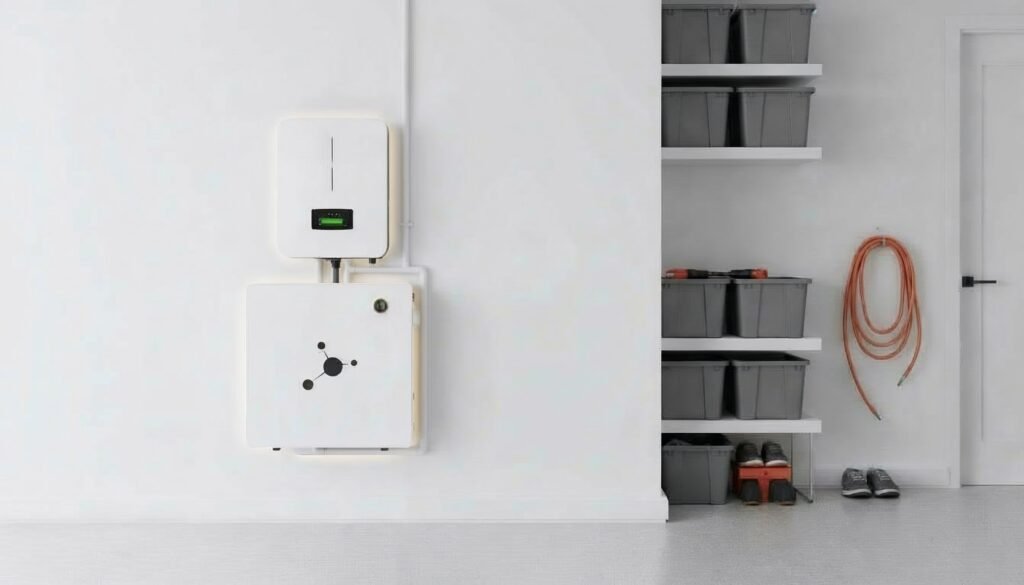
Battery storage also enables smarter energy management.
Many electricity tariffs now vary throughout the day.
A battery system can:
• Charge when electricity prices are low
• Power the home during peak price periods
• Reduce exposure to volatile grid prices
Storage therefore supports both solar optimisation and tariff optimisation.
The Importance of System Design
The biggest difference between good and poor solar installations rarely comes down to the panels.
It comes down to design.
Battery storage, inverter capability, monitoring and grid interaction must all work together.
As Lee Hamblin, Commercial Director at Glow Homes, explains:
“A battery isn’t something you bolt onto a solar system. It’s part of the home’s energy infrastructure. When storage is designed properly within the system architecture, the whole house behaves differently — it becomes more efficient, more resilient and far better prepared for the electrified future.”
Final Thoughts
Battery storage isn’t simply about adding capacity.
It’s about designing how a home interacts with energy.
As electricity demand grows and the grid evolves, storage will become a core part of residential energy infrastructure.
When designed properly from the start, a home can generate, store and intelligently manage its own energy for decades to come.