
Intelligent Tariffs, Standing Charges & Where the Market Is Headed
Energy tariffs used to be background detail.
Today, they directly influence how your home performs.
As EV adoption rises, heat pumps increase electrical load, and battery storage becomes more common, electricity pricing is shifting from something static to something dynamic.
This guide explains what is happening now — and where it is likely heading.
What Makes Up an Energy Tariff
Every UK electricity tariff has three components:
- Unit rate – what you pay per kWh used
- Standing charge – a fixed daily amount
- Timing structure – whether pricing changes depending on the time of day
For many years, timing barely mattered.
Now it often matters most.
The shift toward time-based pricing reflects a broader transition: the grid is becoming more flexible, and households are being encouraged to become flexible with it.
The Energy Price Cap — What It Does and Doesn’t Do
Ofgem’s price cap applies to standard variable tariffs.
It:
- Limits unit rates and standing charges
- Updates quarterly
- Protects customers on default tariffs
It does not:
- Apply to most smart time-of-use tariffs
- Prevent suppliers from offering zero standing charge options
- Regulate dynamic half-hourly pricing in the same way
Smart tariffs sit outside traditional structures because they are designed to reflect wholesale and grid conditions more closely.
That distinction will matter more over time.
Intelligent EV Tariffs — A Practical Example
Octopus Energy Intelligent Octopus Go
One of the most widely discussed smart tariffs currently is Intelligent Octopus Go.
The structure typically includes:
- A low overnight rate (often around 7p/kWh during designated smart charging windows — subject to change)
- A higher daytime rate
- A standing charge
- Requirement for a compatible EV or charger
- Requirement for a smart meter
The system can automatically schedule charging when electricity is cheapest.
For EV owners, this can materially reduce charging costs.
But the key point is not the 7p headline.
It is that the tariff rewards flexibility.
Over time, more tariffs are likely to follow this model:
- Lower prices when the grid has surplus capacity
- Higher prices when it is under strain
Electricity will increasingly be priced according to system conditions, not simply averaged across the day.
Time-of-Use and Dynamic Pricing
Some suppliers go further.
Dynamic tariffs adjust pricing every 30 minutes based on wholesale electricity markets.
Octopus Energy provides a well-known example through its Agile tariff.
With dynamic pricing:
- Electricity can be very cheap at certain times
- It can also rise sharply during peak demand
- Pricing reflects real-time supply and demand
Homes that benefit most typically have:
- Battery storage
- EV charging
- Ability to shift heavy electrical loads
Without flexibility, dynamic pricing can increase exposure rather than reduce cost.
The structural shift is clear: tariffs are no longer just about how much electricity you use — they increasingly depend on when and how you use it.
Standing Charges — The Ongoing Debate
Standing charges cover:
- Distribution network infrastructure
- Grid maintenance
- Metering and administration
They apply whether electricity is used or not.
There is growing regulatory discussion around offering zero standing charge options. Some suppliers already provide variations of this structure.
However, when standing charges fall, unit rates often rise.
As a simplified guide:
- High-usage households should focus more on the unit rate
- Low-usage or intermittently occupied homes should examine the standing charge more closely
As the grid evolves, standing charges may become more nuanced — potentially reflecting regional network costs more directly.
Tariff design is becoming more reflective of real system economics.
The Deeper Shift — From Passive Consumption to Active Participation
For decades, households were passive electricity consumers.
The model was simple: use energy, pay the bill.
That model is changing.
With smart meters, EV chargers, batteries, and heat pumps, households are becoming dynamic nodes in the energy system.
In the coming years, we are likely to see:
- Greater demand-response participation
- Automated load shifting
- Financial incentives for reducing peak consumption
- More sophisticated export pricing
Tariffs will increasingly reward homes that can:
- Store energy
- Shift demand
- Provide flexibility back to the grid
The relationship is moving from transactional to participatory.
Energy companies will not just supply electricity — they will coordinate distributed assets.
Homes become part of the grid’s operational fabric.
Practical Guidance Today
If you are considering a smart or dynamic tariff:
- Confirm smart meter compatibility
- Review your half-hourly usage data
- Identify whether a meaningful load can shift overnight
- Calculate annual cost, not just headline rates
The lowest advertised unit rate rarely tells the full story.
Total annual cost under your actual behaviour pattern is what matters.
And behaviour will matter more each year.
What the Future Is Likely to Bring
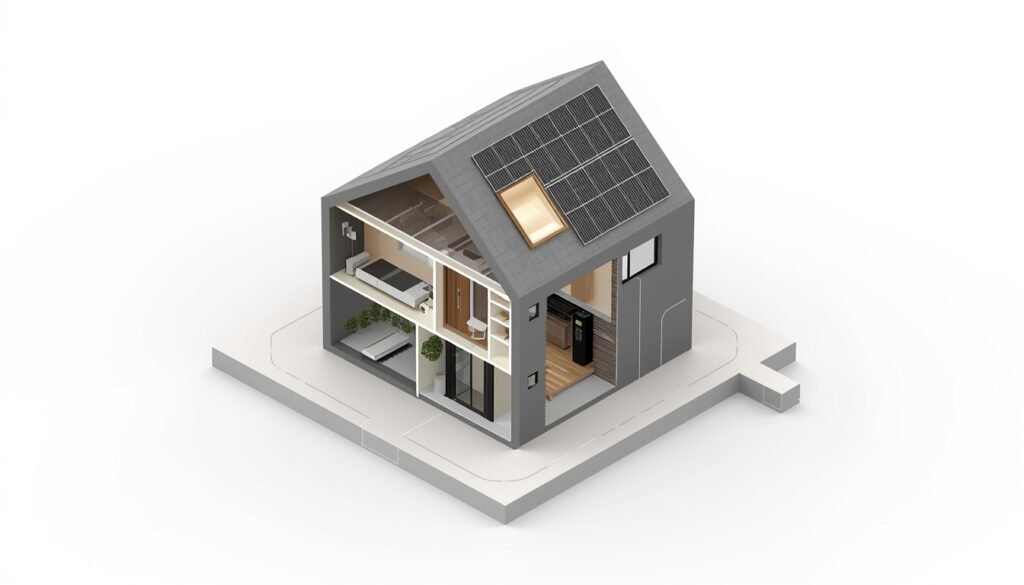
Energy tariffs are moving in a clear direction.
Over the next decade, we expect:
- Greater dynamic pricing tied to wholesale and grid conditions
- More half-hourly settlements across households
- Increased incentives for flexibility and storage
- More advanced two-way export pricing
- Reduced reliance on flat, averaged daily rates
Electricity pricing will become more reflective of real-time system value.
Homes that can respond intelligently — through storage, smart charging, and design-led systems — will be better positioned.
Tariffs will continue changing.
Well-designed energy infrastructure is more stable than a tariff strategy.
The right tariff can improve savings.
The right system gives you resilience as the market evolves.