
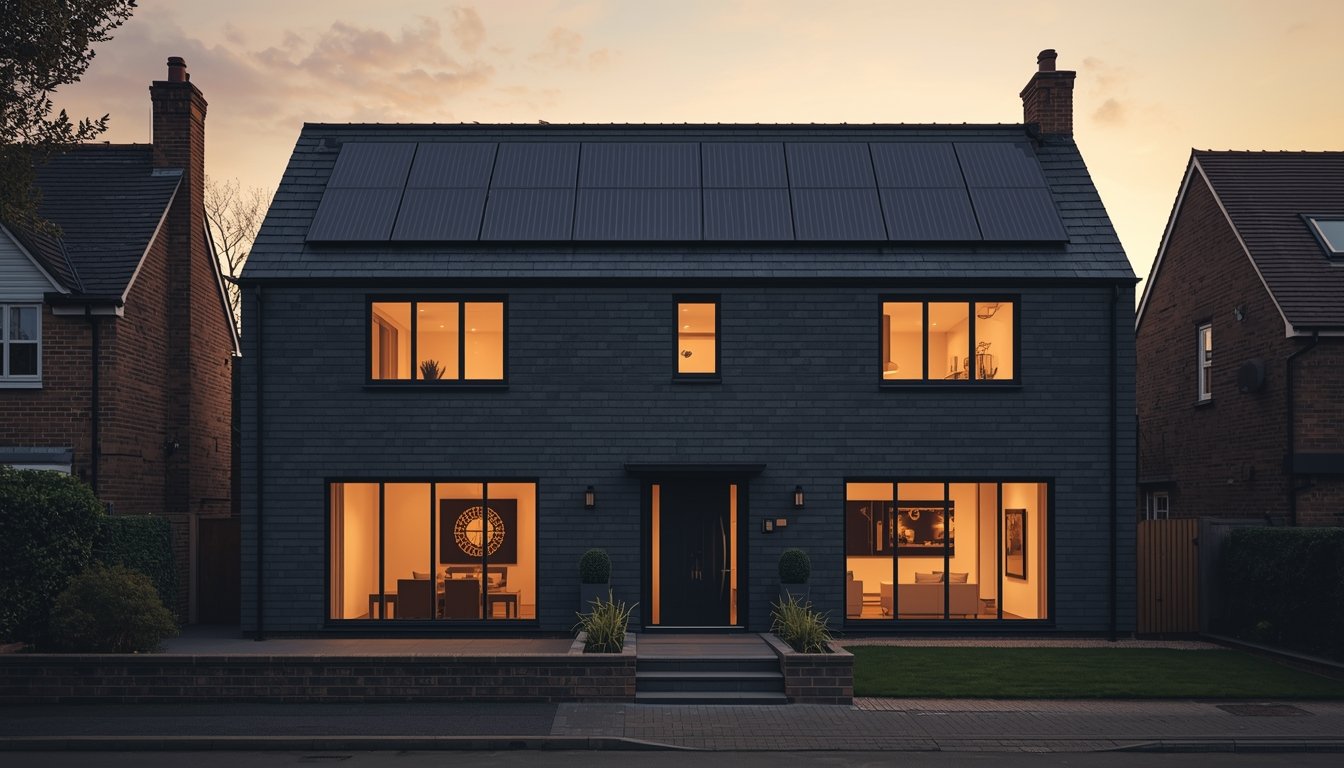

Modern home energy isn’t just solar panels on a roof.
It’s a coordinated system.
Solar generation, battery storage and the national grid interact continuously to power your home. When designed properly, they operate as one integrated piece of infrastructure — not three separate products.
This guide explains how that interaction works and why system design matters more than individual components.
The Three Parts of a Modern Home Energy System
A properly designed home energy system includes:
- Solar generation
- Battery storage
- Grid connection
Each plays a distinct role. The intelligence lies in how they interact.
Solar: On-Site Generation
Solar panels convert daylight into electricity. That power flows through a hybrid inverter and becomes usable for your home.
Solar output varies throughout the day. Peak generation often happens when household demand is low.
Solar alone is generation.
Homes require control.
Storage: Your Energy Buffer
Battery storage changes how a home behaves.
Instead of exporting surplus energy immediately, the system can:
- Store excess solar during the day
- Release it in the evening
- Reduce grid reliance
- Smooth volatility
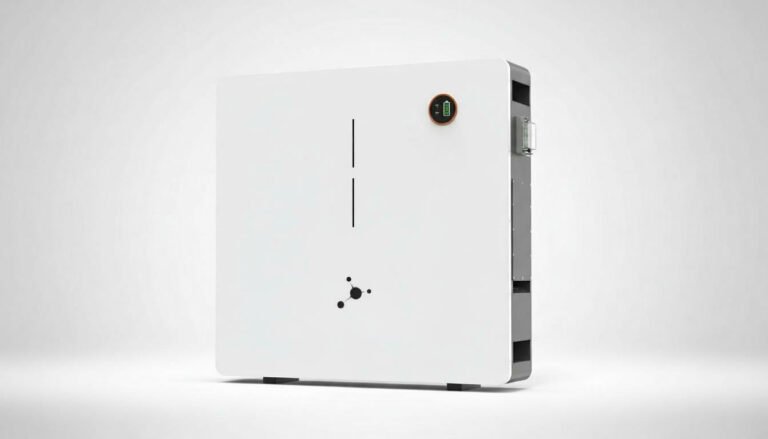
Glow systems are storage-first by design.
As a baseline, every system includes a minimum of 10 kWh of battery storage.
Why this matters:
- Evening demand is significant in modern homes
- EV charging and electrification increase load
- Smaller batteries cycle more aggressively
- Meaningful resilience requires meaningful capacity
Storage is not treated as an add-on. It is foundational.
The Grid: Still Essential
Even high-capability systems remain grid-connected.
The grid provides:
- Backup during prolonged low-generation periods
- Import when battery reserves are low
- Export pathway for surplus generation
- Stability and regulatory compliance
Under UK rules, systems must comply with export limits and DNO requirements. Proper design ensures the system behaves predictably and safely.
The grid is not removed from the equation.
It becomes secondary rather than dominant.
What Happens During a Typical Day
Morning
Solar begins generating. The home uses energy first. Surplus starts charging the battery.
Midday
Generation peaks. The battery fills. Additional surplus may be exported to the grid.
Evening
Solar drops. The battery supplies the home.
Overnight
If the battery empties, the grid supplies power as usual.
The system automatically prioritises:
- Solar
- Stored energy
- Grid import
This sequencing is managed by the inverter and control system — not manual intervention.
Why Design Matters More Than Panel Wattage
A common misconception is that more panels automatically mean a better system.
In reality, a properly designed system balances:
- Roof orientation and shading
- Household demand patterns
- Inverter capacity
- Storage size
- Export limits
- Electrical infrastructure
At Glow, systems are specified through survey and design. The tier — Glow One, Glow Plus or Glow Max — is the outcome of that process, not a menu choice.
This prevents oversizing, undersizing, or short-term compromises.
Where Glow Differs — By Design
Most residential solar installations are built to meet a price point.
Glow systems are built to behave predictably over decades.
That difference shows up in the details.
Panel-Level Optimisation — As Standard
In many installations, panels are connected in strings. If one panel underperforms due to shading, debris or ageing, the whole string can be affected.
Glow includes panel-level optimisers as standard.
This means:
- Each panel operates independently
- Partial shading does not reduce the entire array’s output
- Future dirt or obstruction affects only that panel
- Performance can be monitored panel-by-panel
- Fault detection is faster and more precise
This is not about marginal gains.
It is about long-term stability and visibility.
A Meaningful Storage Baseline
Some systems are sold with minimal battery capacity.
Glow does not design around entry-level storage.
A minimum of 10 kWh ensures:
- Real evening coverage
- Reduced cycling stress
- Better alignment with electrified homes
- Improved autonomy during volatile conditions
Infrastructure must support the home as it evolves.
Long-Term Roof Protection
Bird ingress beneath solar arrays is common over time.
Some installations use basic wire mesh perimeter protection. Exposure can lead to corrosion, detachment and visual degradation.
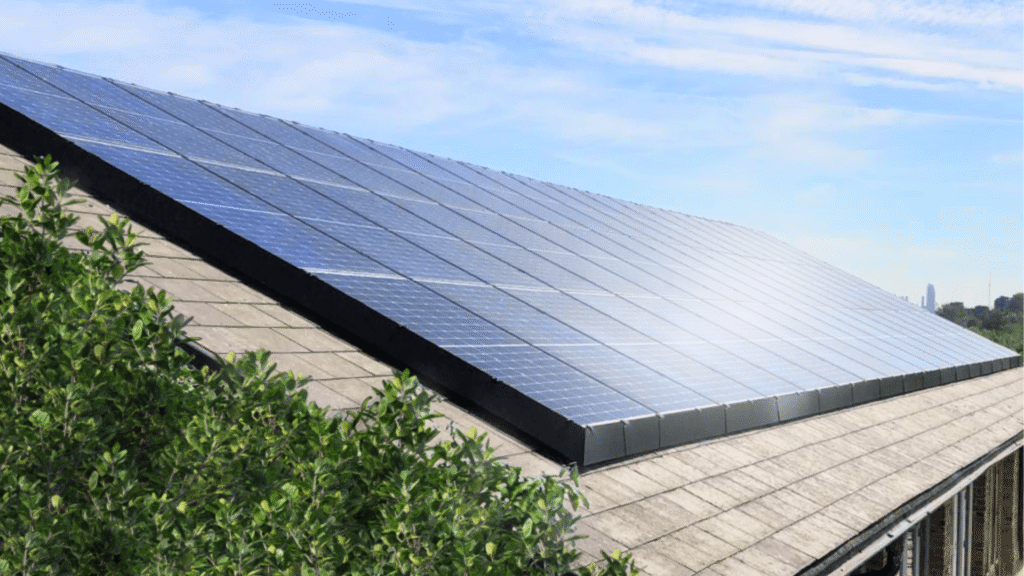
Glow uses integrated solar skirting as standard.
This approach:
- Seals the array perimeter
- Reduces nesting risk
- Maintains structural integrity
- Preserves a clean architectural finish
Details that protect longevity matter.
System-Level Monitoring
Glow systems provide visibility across:
- Solar generation
- Battery behaviour
- Grid import and export
- Individual panel performance
Monitoring is not a marketing feature.
It enables accountability.
If something underperforms, the issue can be identified precisely — inverter, battery, or panel — rather than diagnosed through guesswork.
Solar-Only vs Solar + Storage
Solar-only systems export surplus immediately and rely heavily on grid import during evening demand.
Solar + storage systems retain more value on-site, increase self-consumption and reduce tariff dependency.
As homes electrify — with EVs, heat pumps and higher baseline loads — storage becomes essential rather than optional.
Energy has moved from product to infrastructure.
The Structural Shift
Historically, residential solar was treated as a bolt-on upgrade.
Today, with increasing electrification and grid complexity, home energy systems must be:
- Integrated
- Storage-first
- Design-led
- Long-term supported
One System. Designed Once. Built to Evolve.
When solar, storage and the grid are coordinated properly, they create:
- Control
- Stability
- Predictable behaviour under stress
- Reduced long-term risk
Two homes may both “have solar.”
Only one may have a properly designed energy system.
If you’re considering how this would work for your home, the first step is always contextual.
Understanding comes before design.